


In the summer of 2026, the World Meteorological Organization issued a warning on the development of a new strong El Niño event, which is expected to have a sustained impact on global climate conditions. For the automotive industry, this is more than a climate challenge—it is also a rigorous test of the reliability of critical thermal management components.
Under prolonged high-temperature conditions, vehicle air conditioning systems operate under substantially increased loads, placing greater demands on condenser performance. In response to this trend, Jiangxi Xintian Auto Industry Co., Ltd. remains committed to manufacturing high-quality condensers to OE standards, delivering dependable heat transfer performance and consistent product quality to help customers worldwide address aftermarket challenges in extreme heat.
Condenser Performance Differences Become More Pronounced Under Extreme Heat
Under spring or moderate-temperature conditions, performance differences between condensers from different manufacturers may not always be immediately apparent. However, once ambient temperatures exceed 40°C, the air entering the vehicle front end is already at a significantly elevated temperature. In urban environments, asphalt surface temperatures can reach 50–60°C. During idling or stop-and-go traffic, this hot air is repeatedly drawn into the vehicle’s front-end cooling system, creating what engineers commonly refer to as the heat soak effect. As temperatures rise throughout the vehicle, the condenser faces increasingly difficult heat dissipation conditions, increasing the risk of system performance degradation.
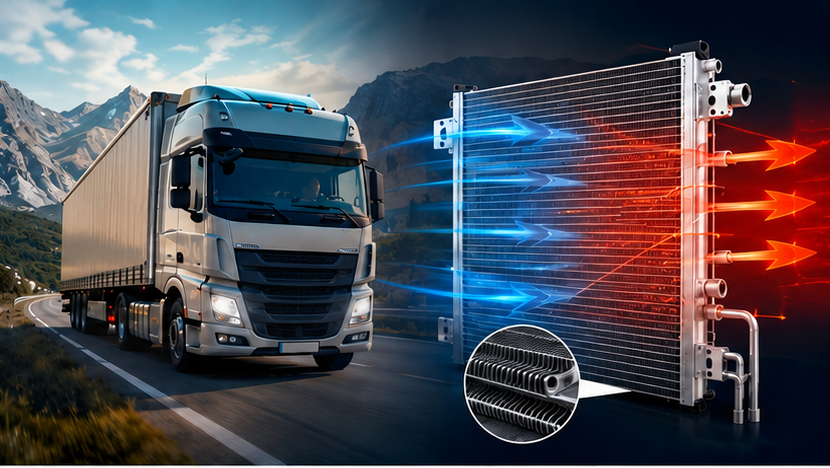
Under these conditions, differences in condenser performance become rapidly amplified. High temperatures can accelerate declines in air conditioning cooling efficiency, abnormal refrigerant pressure conditions, and frequent compressor cycling. They can also contribute to a significant increase in condenser leakage observed in aftermarket repair and service data.
Two Typical High-Temperature Failure Modes
Based on aftermarket feedback, condenser failures under high-temperature operating conditions are primarily concentrated in two areas.
1. High-Pressure Tube Expansion and Brazed Joint Cracking
Under prolonged pressure above 2.5 MPa, microchannel tubes may undergo slight plastic deformation, or tube expansion. Over time, microscopic cracks can develop at vulnerable brazed joints, resulting in gradual refrigerant leakage.
Cooling performance progressively deteriorates, while repeated refrigerant recharging may fail to address the underlying problem. Eventually, the entire condenser may require replacement, making this a significant contributor to aftermarket warranty claims.
2. Fin Corrosion and Collapse
In coastal regions with high humidity or under dusty conditions, inadequately surface-treated fins are susceptible to rapid oxidation and salt-spray corrosion. As corrosion progresses, fins can become brittle, collapse, or even detach from the core, reducing the effective heat transfer area by more than 30%.
When extreme temperatures occur, the system’s heat dissipation capability can deteriorate rapidly.
Three Technical Factors Behind Condenser Quality Differences
The root causes of these failure modes can often be traced to critical technical specifications that have been compromised during the manufacturing process.
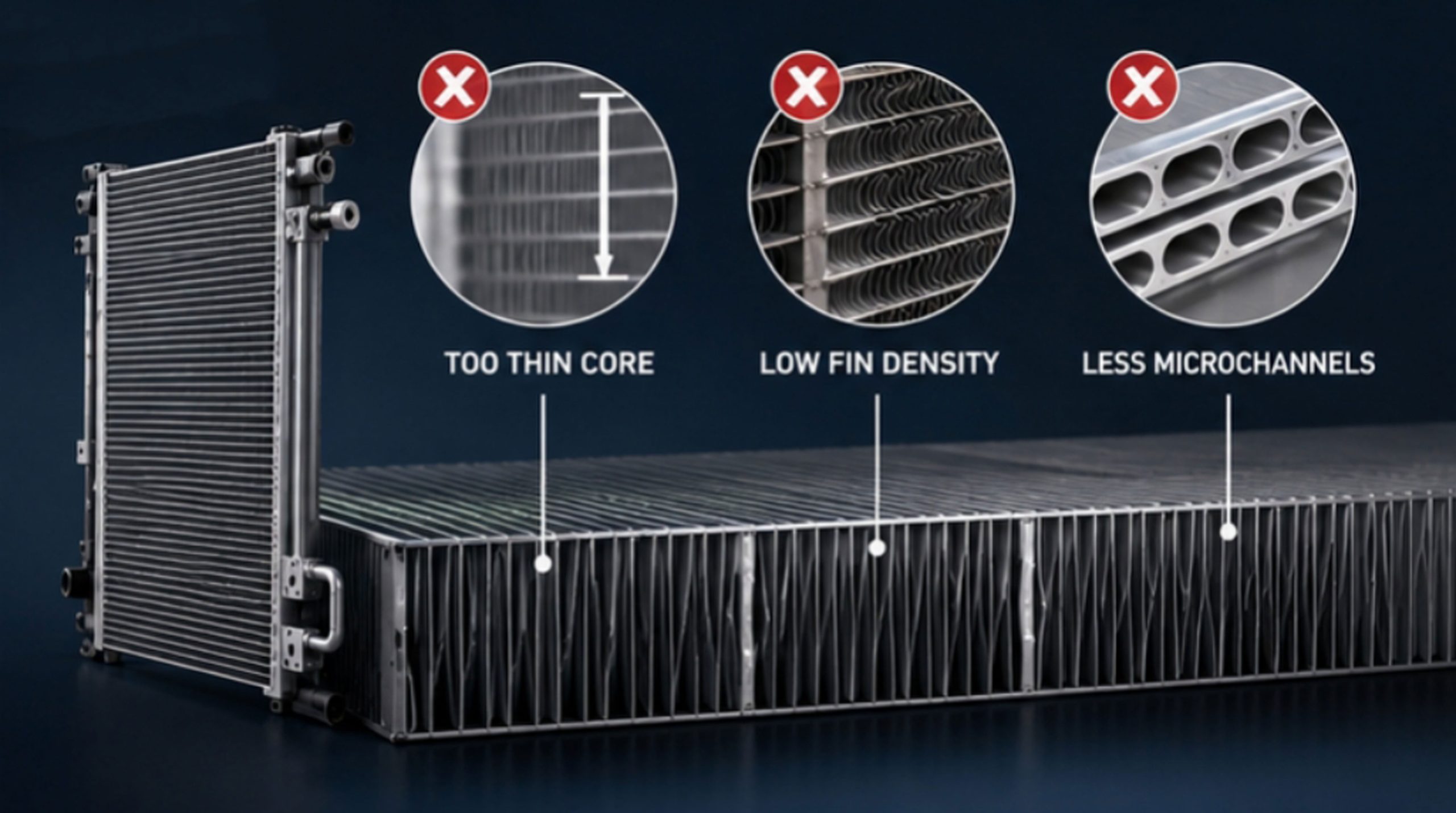
1. Core Thickness
Core thickness directly affects the available heat transfer area. For the same vehicle application, condenser core thickness can range from 16 mm to 26 mm.
A difference of only a few millimeters may have a limited impact under normal operating conditions, but insufficient heat transfer capacity becomes increasingly evident under prolonged high-temperature operation.
2. Fin Structure Design
Fins are the primary heat transfer structure of a condenser. Insufficient fin density or poorly optimized louver geometry can reduce airflow efficiency and compromise heat transfer performance.
Even condensers with identical overall dimensions can exhibit differences of more than 30% in actual heat dissipation performance.
3. Microchannel Tube Specification
The number of internal channels in a microchannel tube determines the contact area between the refrigerant and aluminum material. A higher channel count generally provides greater heat transfer efficiency, pressure resistance, and overall system stability.
Some low-cost products reduce material consumption by using tubes with fewer internal channels. This difference becomes particularly apparent under high-temperature and high-pressure operating conditions.
Building Quality from the Source: Xintian’s Engineering Standards for Condensers
Understanding failure mechanisms is only the first step. Effective prevention begins at the design and manufacturing stages.
Based on a comprehensive understanding of operating conditions across different regions and markets, Jiangxi Xintian Auto Industry Co., Ltd. has established a systematic internal engineering standard for condenser development and manufacturing, built around four key areas.
1. Core Thickness and Heat Transfer Area
For different vehicle applications and operating conditions, Xintian condensers use a core thickness starting from 16 mm to ensure sufficient heat transfer area.
For heavy-duty commercial vehicles and vehicles operating continuously in high-temperature regions, higher-specification core thickness options are available to provide additional thermal capacity and maintain sufficient heat dissipation margins under prolonged high-temperature conditions.
2. Material Selection and Corrosion Protection
Xintian uses aluminum-silicon alloy foil for condenser fins, offering appropriate elongation, good corrosion resistance, and excellent formability.
This material selection enhances resistance to oxidation and salt-spray corrosion in harsh environments, including coastal high-humidity and dusty conditions, helping slow the progression of corrosion, deformation, and fin collapse at the material level.
3. Brazing Process and Joint Integrity
Xintian employs a controlled-atmosphere brazing process with comprehensive monitoring of critical process parameters throughout production.
Particular attention is given to the connections between microchannel tubes and headers, as well as the interfaces between fins and tubes. This helps ensure uniform, dense brazed joints while minimizing the risk of microscopic cracking.
4. Leak Testing and Pressure Validation
Before leaving the factory, every condenser undergoes rigorous air-tightness testing, pressure-strength validation, high- and low-temperature testing, and burst testing.
These procedures verify the product’s ability to withstand refrigerant pressure loads under high-temperature operating conditions and help minimize the risk of premature leakage.
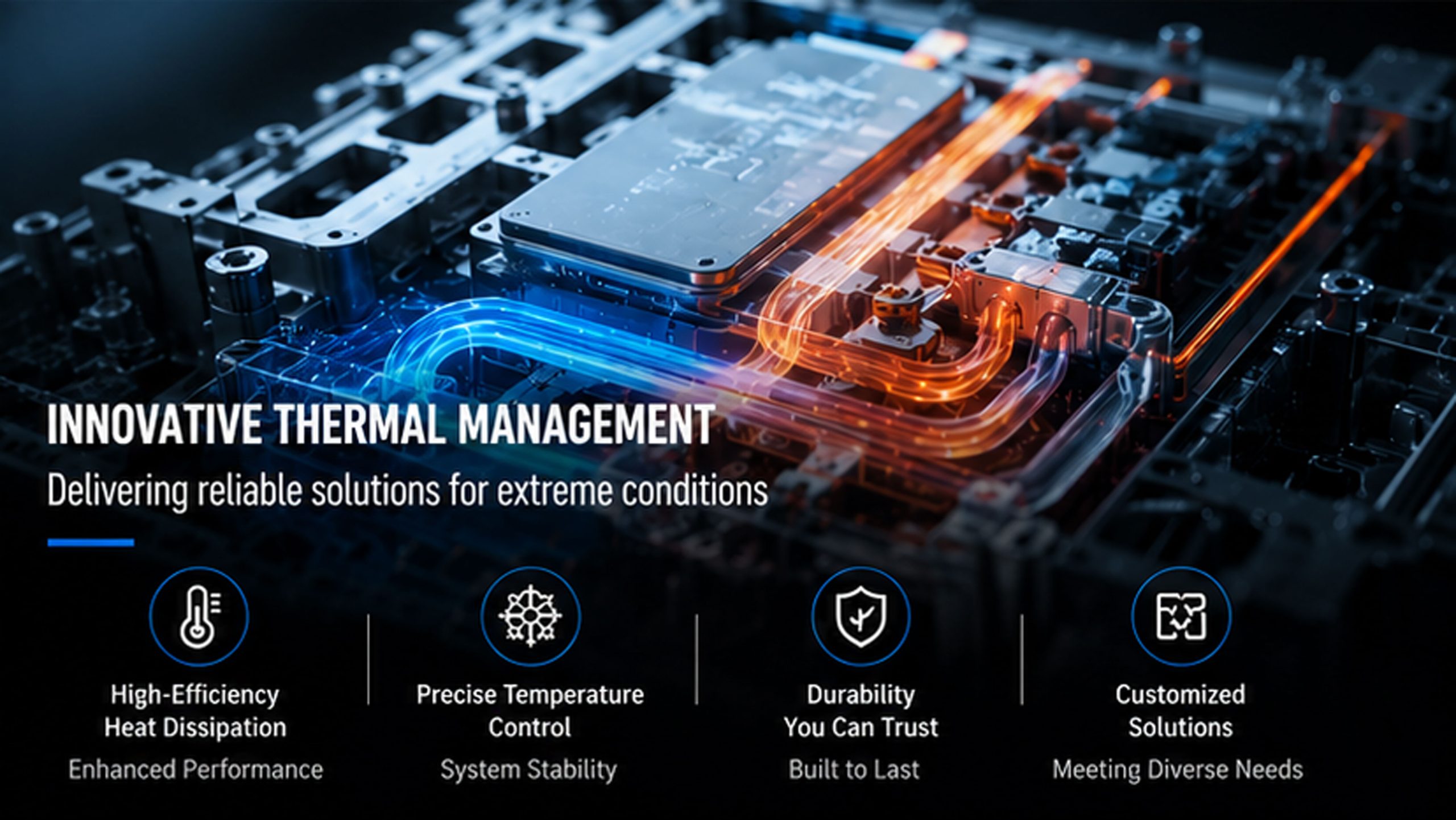
Through the establishment and consistent implementation of these engineering standards, Xintian condensers are designed to maintain dependable heat transfer performance and service life under complex conditions involving high temperatures, high pressure, and high humidity. This provides customers worldwide with quality assurance that is both traceable and verifiable.
From Purchase Price to Total Cost of Ownership
For distributors and brand owners, the value of a condenser is increasingly being evaluated beyond its initial purchase price and across the entire product lifecycle.
Saving USD 2 at the procurement stage can potentially result in more than USD 20 in additional aftermarket costs, including product returns and replacements, removal and installation labor, logistics expenses, and damage to brand reputation. These hidden costs can far exceed the original purchasing price difference.
As extreme weather events become increasingly frequent worldwide, aftermarket warranty claims are becoming an important consideration for an increasing number of buyers.
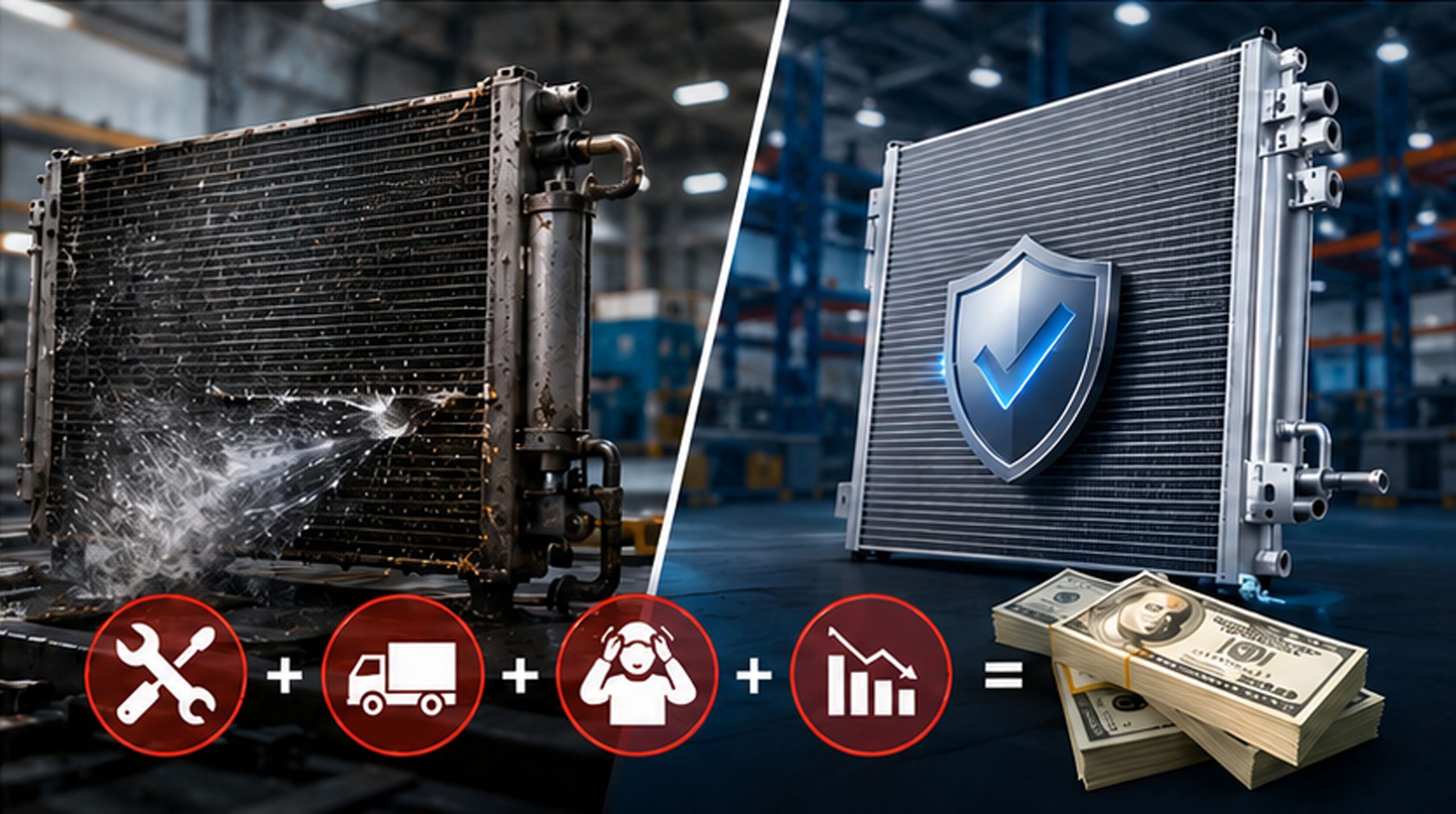
As a result, more businesses are shifting their focus from the lowest purchase price to total cost of ownership. The most competitive product is not necessarily the least expensive option—it is the one that delivers the lowest overall cost throughout its service life.
OE Standards as the Foundation for Quality in Extreme Heat
As extreme climate conditions become increasingly persistent, vehicle thermal management systems will continue to operate under more demanding conditions. The true value of a condenser is no longer defined by its initial purchase price, but by its ability to deliver dependable performance throughout its service life.
As a specialized company engaged in the design, manufacturing, and sales of automotive heat exchange products, Jiangxi Xintian Auto Industry Co., Ltd. consistently uses OE standards as its quality benchmark. From core thickness and fin density to microchannel tube specifications, Xintian applies a comprehensive technical standard system designed to ensure dependable product performance under demanding conditions, including high temperatures and high pressure.
With products exported to more than 20 countries and regions, Xintian continues to provide customers worldwide with reliable thermal management solutions backed by established manufacturing capabilities and rigorous quality control.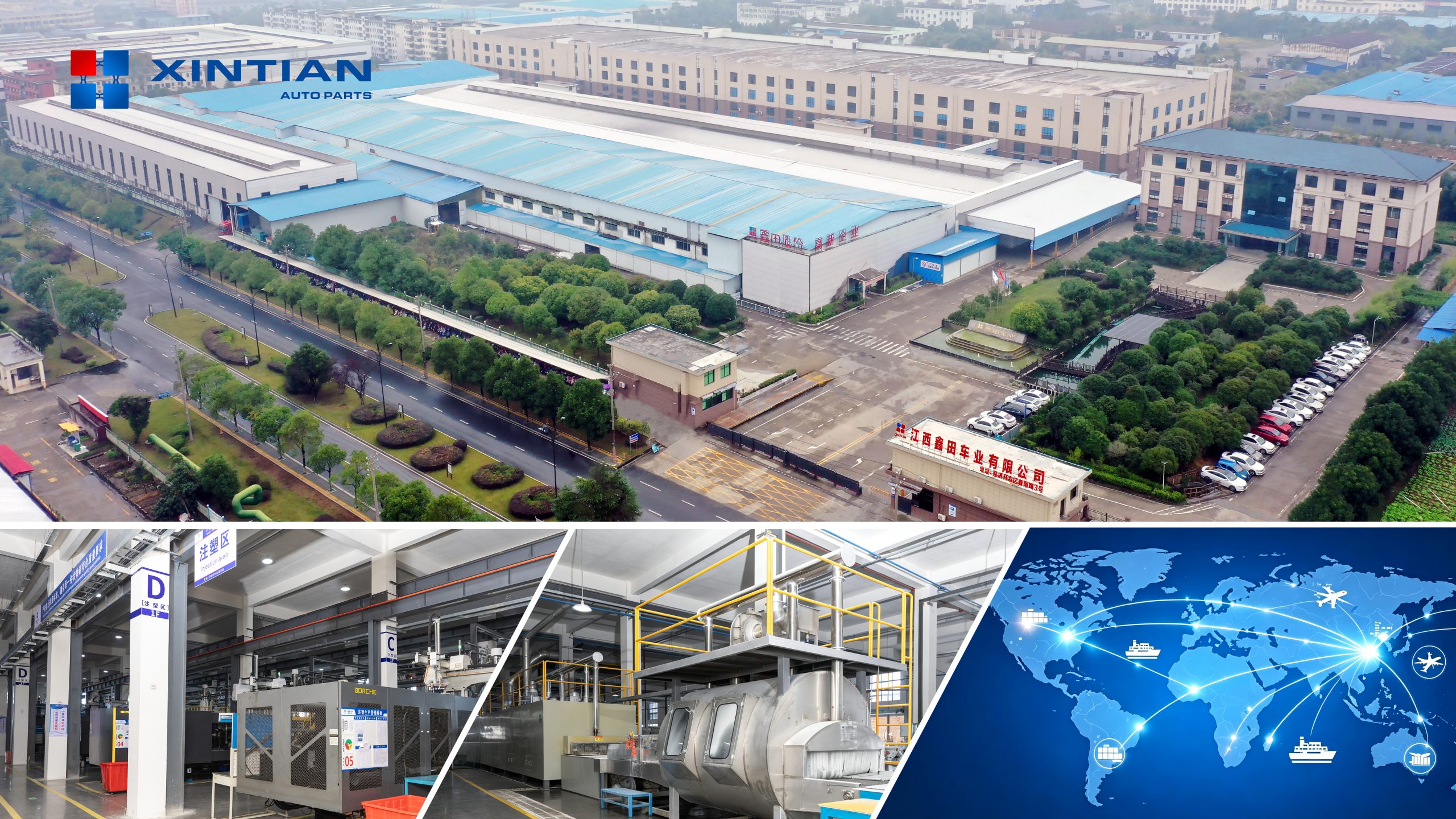
Act Now to Secure Your Thermal Management Supply
The demand window created by high-temperature conditions is opening.
If you are sourcing condensers, radiators, or other heat exchange products, or require customized solutions, please contact the Xintian sales team.
Our international business team will respond promptly to your requirements and provide professional support covering product selection, technical specifications, and bulk supply solutions.
📍 Jiangxi Xintian Auto Industry Co., Ltd.
🏗 No. 3,Chunyu Road, Economic and Technological Development Zone, Yichun City, Jiangxi Province, China (Postal Code: 336000)
📞 Tel: +86-795 2197226
📧 Email: info@jxxintian.com
🌐 Website: www.jxxintian.com